What Are the Best Oil and Gas Suppliers in 2026?
Choosing the best oil and gas suppliers in 2026 is not a simple popularity contest. A low quoted price can look attractive until a delayed delivery disrupts a plant, fleet, or household. Buyers need to compare reliable supply, transparent contract terms, product quality, service coverage, and credible environmental reporting. Details matter: a clear delivery window, documented fuel specifications, and a real person answering the phone can prevent costly surprises.
Energy historian Daniel Yergin, author of the Pulitzer Prize-winning The Prize, observed, “The history of oil is the history of the modern world.” His words remind us that oil gas decisions affect more than an invoice. They shape operations, budgets, and resilience when markets shift. Still, a famous quote cannot tell buyers which supplier will perform best in their region.
This guide compares oil gas suppliers using practical criteria rather than claiming one universal winner. It considers company scale and local availability, alongside customer support, contract clarity, and publicly stated transition plans. Company disclosures and independent reporting can help, but they cannot guarantee future performance. Some information changes quickly. That is worth admitting. The strongest choice may be a regional provider, not the biggest name. Readers should verify current terms, credentials, and delivery capabilities before signing. This comparison aims to inform, not promise certainty.

What Qualifies as an Oil and Gas Supplier in 2026?
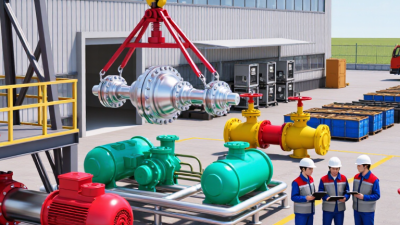
In 2026, an oil and gas supplier is more than a company selling pipe, valves, pumps, or fuel.
It may provide equipment, field services, maintenance, testing, transport, or digital monitoring. These offerings can support exploration, production, processing, and distribution.
The key question is whether the supplier can meet a specific operational need safely and consistently.
Details matter. Check product specifications, material traceability, inspection records, delivery capacity, and how defects are handled. For a valve shipment, ask for its pressure rating, material grade, test documentation, and expected delivery window.
Credible suppliers demonstrate technical competence through qualified staff, documented quality controls, and clear procedures for site access and equipment handling. Safety and environmental practices should be measurable, not just polished website language. Ask for recent performance evidence, relevant project references, and details about subcontractor oversight.
Ask directly.
Digital records and cybersecurity practices also matter when suppliers connect monitoring devices or exchange operational data. Supplier size alone does not prove suitability: a specialist may respond quickly, while a larger firm may hold more inventory.
I would still leave room for uncertainty. Complete paperwork cannot guarantee an on-time delivery or prevent every field issue.
Review past work and speak with the people who will support the job.
How Oil and Gas Suppliers Are Evaluated
Evaluating oil and gas suppliers in 2026 means testing claims against operational evidence, not polished sales language. Buyers can review delivery records, product specifications, outage history, and the clarity of incident reporting. Ask how quality is checked from dispatch through receipt, and whether corrective actions are documented. Details matter. Repeated late shipments may expose planning weaknesses that a low quoted price cannot show.
Technical capability should match the buyer’s actual needs. Assess equipment condition, maintenance routines, staff training, and access to qualified technical support. A supplier’s safety performance also deserves careful review: examine incident trends, audit findings, and how hazards are communicated to customers. Look for environmental data with clear boundaries and measurement methods, rather than broad claims without supporting figures. References from comparable operations can help, but they should not replace independent checks.
Commercial resilience is another useful measure. Review financial stability, backup capacity, transport options, and the supplier’s response plans for disruptions. Compare contract terms, payment requirements, and how price changes are explained. No scorecard is perfect. Data may be incomplete, and a strong past record cannot guarantee future performance. It is worth revisiting assumptions, especially when a supplier’s results look unusually consistent or reporting leaves important questions unanswered.
Leading Oil and Gas Suppliers Around the World in 2026
Leading oil and gas suppliers around the world in 2026 serve different needs, so there is no single reliable “best” list. North American suppliers may offer extensive pipeline and storage networks, while Middle Eastern producers remain important sources of crude exports. Across Africa and Latin America, output and shipping access vary by country. Asian suppliers and trading hubs connect regional demand with international cargoes. European companies also contribute technical services, equipment, and energy trading expertise. The details matter.
Tips: Compare suppliers by product specifications, delivery history, available transport routes, and quality documentation. Ask how they handle delays and changing demand. A low quoted price may not reflect the full delivered cost.
For buyers, supplier strength is about dependable performance, not just production volume. Review shipment records, contract terms, emergency contacts, and the ability to provide consistent grades. Independent inspection and clear paperwork can help confirm what arrives matches what was ordered. Conditions change, though; even established supply routes can face weather, maintenance, or port disruptions. No checklist removes every risk. Some comparisons remain imperfect, especially when public data is limited, so record assumptions and revisit them as market conditions shift.
How Supplier Strengths Differ by Region and Energy Segment
Oil and gas supplier strength varies sharply by region and energy segment. EIA reports that U.S. crude production averaged 13.2 million barrels per day in 2024, a record. That scale can suit buyers seeking large volumes and established pipeline or export access. Middle Eastern suppliers can offer proximity to major Asian markets and substantial reserves. Yet delivery routes, contract terms, and disruption exposure matter as much as output.
Gas buyers should compare pipeline supply with liquefied natural gas, not treat them as interchangeable. The IEA’s Gas 2024 report says global LNG trade grew by about 2% in 2023. LNG can reach coastal buyers without cross-border pipelines, but shipping capacity and terminal access affect cost and timing. Refining suppliers also differ: some regions specialize in particular fuel grades, while others have stronger access to crude feedstock. These comparisons are imperfect; published capacity does not guarantee dependable deliveries.
Tip: Match the supplier to the actual need: crude grade, gas transport, or refined product. Ask for recent delivery records, clear pricing terms, and backup routes. Check whether quoted supply is firm or merely available on the spot market. A low price can look persuasive, until a missed cargo disrupts operations.
How Buyers Choose Suppliers for Different Operational Needs
Choosing an oil and gas supplier starts with the worksite, not a generic ranking. A refinery may need consistent product specifications and predictable delivery windows. A remote drilling operation may value dependable transport, backup capacity, and clear communication when roads or weather disrupt schedules. The best fit is the supplier that meets the actual operating need.
Buyers can compare product quality, delivery performance, storage options, and technical support. Ask for recent quality records and confirm how the supplier handles a delayed shipment. For a facility with limited tank space, even a small delivery-time change can interrupt operations. For a site using several fuel grades, clear labeling and accurate documentation matter. Small details matter.
Price still counts, but the lowest quote may not reflect freight, testing, or the cost of an interruption. Review contract terms carefully, including volume flexibility and response times. Check whether the supplier can explain its quality controls in plain language. No scorecard is perfect. Teams sometimes overvalue a polished proposal and overlook practical limits, such as a narrow delivery window. It is worth revisiting supplier performance after operating conditions change, because yesterday’s good fit may not serve tomorrow’s demand.