How to Choose the Best Galvanized Sheet for Your Project?
When embarking on a project that requires a galvanized sheet, understanding your options is crucial. The galvanized sheet, known for its corrosion resistance and durability, plays a vital role in various applications, from construction to automotive industries. According to a recent industry report, the global demand for galvanized steel is projected to reach 200 million tons by 2025, driven by its superior qualities and economic viability.
Choosing the best galvanized sheet requires a keen awareness of its thickness, coating type, and mechanical properties. A appropriately selected galvanized sheet can enhance the longevity of your project and reduce maintenance costs. However, many overlook these factors. They either compromise on quality or make uninformed choices, leading to potential failures down the line.
Investing time in research can pay off significantly. Consider consulting with industry experts or referring to standards set by authoritative bodies, such as ASTM. Leveraging expert knowledge helps you navigate the nuances of galvanized sheets. Ultimately, your success hinges on selecting the right products backed by reliable data.
Understanding Galvanized Sheets: Materials and Properties
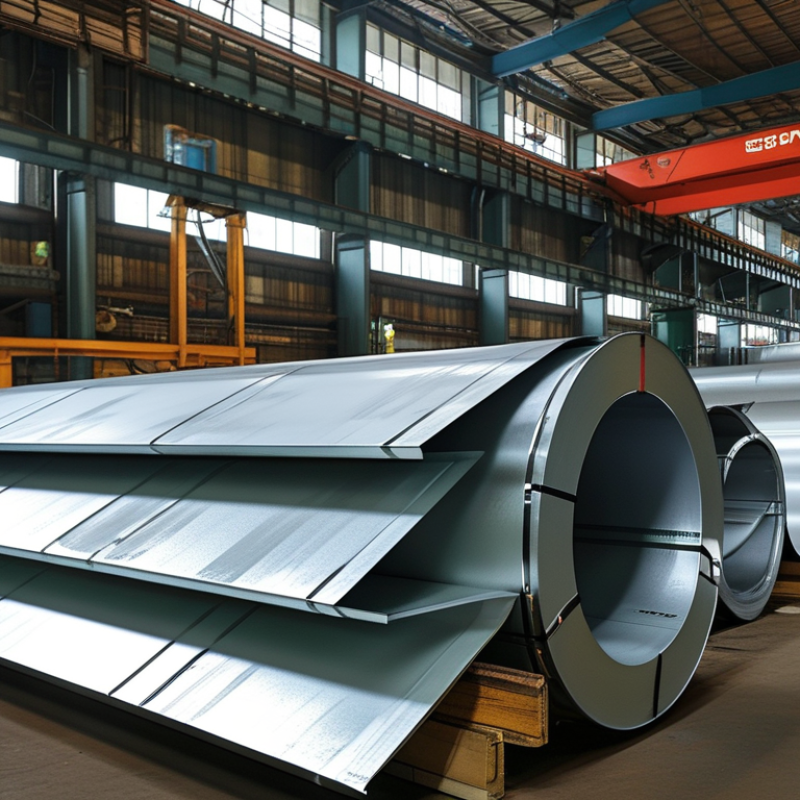
When working with galvanized sheets, understanding their materials and properties is crucial. Galvanized steel sheets are coated with zinc, offering corrosion resistance. This property makes them ideal for projects in harsh environments. The thickness of the sheet affects its strength. Thicker sheets are often more durable.
**Tips:** Consider the environment where the sheets will be used. Will they face extreme weather? Choose a thicker gauge for added protection.
Another important aspect is the surface finish of the sheet. Some finishes can enhance aesthetic appeal while providing additional functionality. A smooth finish may be preferable for visible applications. In contrast, rougher textures might be more beneficial for safety or grip.
**Tips:** Test various finishes before making a decision. This will help you understand how each one performs in real conditions.
Choosing the right galvanized sheet requires careful consideration of both material and purpose. Make sure to evaluate your specific needs. Sometimes, the “best” option may not be the most popular one. Rely on expert advice if needed, and assess future maintenance requirements.
How to Choose the Best Galvanized Sheet for Your Project?
| Property | Value | Description |
| Thickness | 0.5 mm - 3 mm | Common thicknesses for various applications. |
| Coating Weight | Z120 - Z600 g/m² | Refers to the amount of zinc coating applied. |
| Yield Strength | 250 - 350 MPa | Strength of the material before deformation. |
| Corrosion Resistance | Excellent | Protection against rust and oxidation due to zinc coating. |
| Applications | Construction, Automotive, HVAC | Variety of sectors that utilize galvanized sheets. |
Types of Galvanized Sheets: Selecting the Right Form for Your Needs
When selecting a galvanized sheet, it's essential to consider the specific types available. Hot-dipped galvanized sheets offer excellent corrosion resistance. They undergo a coating process that allows for a thicker layer of zinc, making them suitable for outdoor applications. They're often used in construction, where exposure to the elements is common.
Electro-galvanized sheets, on the other hand, provide a smoother finish. This type is ideal for indoor projects, as they have a thinner zinc layer. They are often used in manufacturing appliances or automotive parts. However, their durability in harsh environments is lower compared to hot-dipped sheets.
It's crucial to assess your project's requirements carefully. How much exposure will the sheet face? What weight and thickness do you need? These questions help define the best choice. Many users overlook the importance of thickness, which can impact the sheet’s overall strength. Each project may demand a unique solution, pushing you to consider options beyond just cost.
Assessing Thickness and Weight: Key Factors in Your Project
Choosing the right thickness and weight for galvanized sheets is crucial for any project. The thickness affects the strength and durability of the material. Thinner sheets can easily bend or warp under pressure. In contrast, thicker sheets are more robust but may add unnecessary weight. Consider the specific needs of your project before making a choice.
Weight plays a significant role as well. Heavier sheets can be more challenging to handle. This is especially true if you're working alone or in tight spaces. A balance between strength and maneuverability is important. Additionally, reconsider your material choice if you find weight becoming a limiting factor.
Remember to examine your project environment. Outdoor installations may require thicker sheets to withstand elements. Indoors, thinner sheets might suffice. Understanding your project’s demands will lead to a more informed decision. Stay aware, and don’t hesitate to reassess your initial choices.
Evaluating Corrosion Resistance: Ensuring Longevity and Durability
When evaluating corrosion resistance in galvanized sheets, it's crucial to consider several factors. The thickness of the zinc coating plays a significant role in protecting the underlying metal. A thicker layer often enhances longevity, resisting rust and wear. Look for sheets with a consistent coating. Variability can lead to weak spots, where corrosion could begin.
Environmental factors significantly influence the lifespan of galvanized sheets. For instance, humidity and exposure to salts can accelerate corrosion. It's essential to assess the project's location. Coastal areas, with salty air, may require more robust solutions. Often, discussions around the effectiveness of galvanized sheets overlook the impact of local conditions.
Finally, consider the quality of the base metal. Even the best zinc coating won't help if the underlying steel is low grade. Inspecting the material specifications can help ensure you're working with reliable components. Balancing these elements may feel overwhelming. Yet, understanding them can lead to a more successful outcome for your project.
Corrosion Resistance of Different Galvanized Sheets
Cost Considerations and Budgeting for Galvanized Sheets
When considering the cost of galvanized sheets, it's essential to evaluate various factors that impact overall budgeting. The price of galvanized steel can vary significantly based on thickness, coating, and market demand. According to the Metal Service Center Institute (MSCI), the average cost of galvanized sheets can range from $0.70 to $1.20 per square foot. This fluctuation often reflects broader trends in the steel market, which can be influenced by global supply chain issues and raw material costs.
It's advisable to think about long-term value rather than just upfront costs. Galvanized sheets are known for their durability and resistance to corrosion, which can lead to savings over time in maintenance and replacement. However, improper selection can lead to additional costs. For instance, using a galvanized sheet that is too thin for the application may necessitate more frequent replacements. Research indicates that investing in high-quality sheets can extend the lifespan of your project, ultimately reducing overall expenditures.
Budgeting for galvanized sheets should also include indirect costs. Shipping, handling, and cutting services can add unexpected expenses. Some industry reports highlight that these additional costs can amount to up to 15% of the initial purchase price. Understanding these potential expenses can help manage the budget more effectively while ensuring you select the right materials for your specific needs. Balancing quality and cost is crucial for the success of any project involving galvanized sheets.

