How to Choose the Right Cryogenic Tank for Your Needs?
Choosing the right cryogenic tank is crucial for various industries. Dr. Emily Carter, a leading expert in cryogenics, often emphasizes, “The right tank can significantly enhance efficiency and safety in operations.” With evolving technologies, selecting a suitable cryogenic tank can be overwhelming.
Cryogenic tanks come in various shapes and sizes, each designed for specific needs. Whether for storage or transportation, understanding the specifications is essential. Factors such as material, insulation, and pressure ratings play pivotal roles. These details can drastically impact performance and operational costs.
Purchasing a cryogenic tank requires careful consideration. Not all tanks are created equal. Mistakes in selection can lead to inefficiencies or even safety issues. It's vital to collaborate with knowledgeable suppliers and conduct thorough research. Product reviews and expert consultations can guide decisions, ensuring the selected tank meets specific operational demands.
Understanding Cryogenic Tanks: Types and Applications
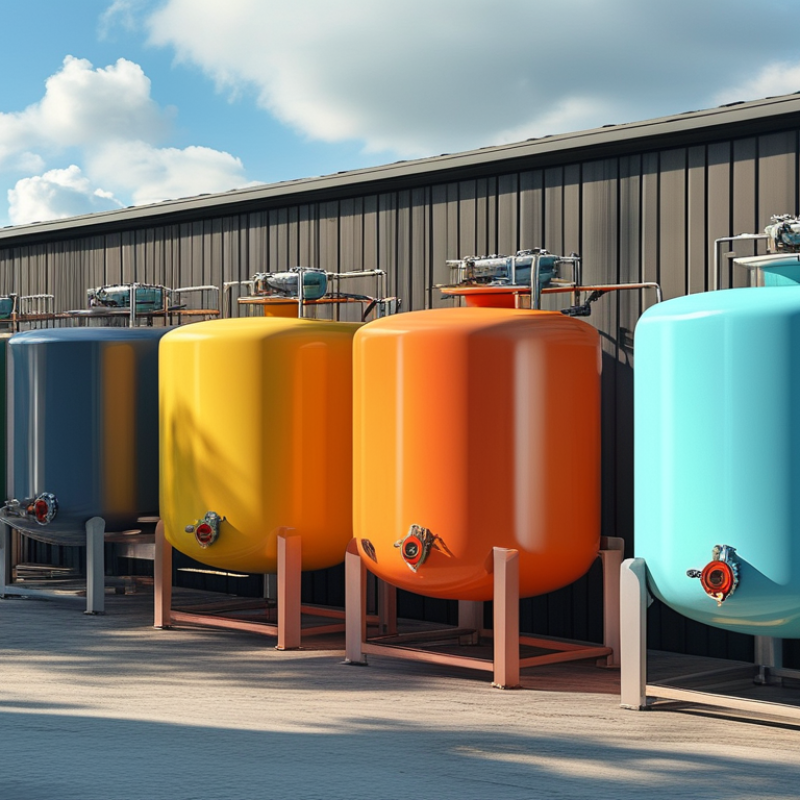
Cryogenic tanks are essential in various industries. They store liquids at extremely low temperatures. Understanding their types and applications can guide your selection process. Common types include double-walled tanks and insulated vessels. Double-walled tanks provide added safety and efficiency. Insulated tanks are often used for short-term storage.
When considering applications, think about your specific needs. Industries like healthcare and aerospace rely on cryogenic systems. They use these tanks to store gases like nitrogen and oxygen. Each gas has unique requirements for safe storage. For instance, liquid nitrogen is vital for medical procedures. It requires a reliable and stable tank to maintain its state.
Don't overlook factors like pressure and insulation. Always consider the tank's capacity and environmental conditions. Some tanks may not perform well in certain climates. This can lead to inefficiencies or safety issues. Take the time to assess your needs carefully. Mistakes in selection can be costly.
Key Factors to Consider When Choosing a Cryogenic Tank
When choosing a cryogenic tank, several key factors must be considered. The material of the tank is crucial. Stainless steel is common due to its durability and resilience. Other materials may not handle the extreme temperatures as well.
It is essential to evaluate the insulation type as well. Vacuum insulation offers better performance than foam insulation. Understanding thermal efficiency is key.
Capacity and size are vital questions. Determine the volume of liquid you need to store. Oversized tanks can lead to inefficient use of space. They can also result in higher costs. Placement is another aspect to ponder. Ensure there is sufficient room for maintenance and safety checks.
Security features cannot be overlooked. Tanks must have proper safety valves. They should also provide a reliable pressure relief system. Regular inspections are necessary for ongoing safety. Balancing specific needs with these factors can be challenging. The decision may involve compromises and adjustments. Every detail matters, and thorough research is recommended.
Evaluating Storage Capacity and Pressure Requirements
Choosing the right cryogenic tank requires careful consideration of storage capacity and pressure requirements. The size of the tank directly influences your operation’s efficiency. Industry data indicates that a well-sized tank can significantly reduce downtime and ensure smooth operations. For instance, a tank holding 1,000 liters of liquid nitrogen can serve various applications, from medical to industrial uses, but only if it satisfies specific pressure demands.
When evaluating capacity, it's crucial to consider your consumption rate. Accurate estimations lead to better tank selections. If your facility utilizes approximately 100 liters per day, a tank with a capacity of around 500 liters could provide an adequate buffer.
Tips:
1. Always calculate your peak usage to avoid running low on supply.
2. Review historical data to accurately forecast your needs.
Pressure requirements are equally essential. Each cryogenic liquid has its specific pressure demands. For example, liquid oxygen typically requires a higher pressure, maintained at 1.5 to 3 bar. Be cautious, as improperly sized tanks may lead to safety risks or service interruptions. Regular pressure checks are vital for maintaining safe operations.
Innovations in cryogenic storage technology are evolving rapidly. Assessing your needs now could lead to better solutions in the future. Consider how your current and future requirements might shift; flexibility in both capacity and pressure can yield long-term cost savings.
Assessing Material Compatibility with Stored Substances
When selecting a cryogenic tank, material compatibility is crucial. Different substrates require careful consideration. For instance, stainless steel, commonly used in tanks, is resilient. However, when storing certain chemicals, this alloy may not provide sufficient safety. A 2022 report from Cryogenics Today noted over 30% of cryogenic incidents stemmed from material incompatibility issues.
Each stored substance can react differently based on the tank's composition. Liquid nitrogen and liquid helium are relatively safe in steel tanks. In contrast, specific liquefied gases, like hydrogen, can precipitate stress corrosion. A study highlights that hydrogen can diffuse into metals, potentially leading to catastrophic failures. Understanding these interactions is vital.
Operators often overlook minor details, yet they can have severe repercussions. It's essential to assess not just the primary material but also factors like temperature fluctuations. A temperature dip can exacerbate weaknesses in some materials, increasing the risk of leaks. Regular assessments and adherence to updated safety guidelines are necessary. Be aware; compatibility isn't a one-time consideration but an ongoing process demanding vigilance and knowledge.
Maintenance and Safety Considerations for Cryogenic Tanks
Maintaining and ensuring the safety of cryogenic tanks requires a detailed approach. Regular inspections are essential. These inspections can identify corrosion, leaks, and structural weaknesses. A thorough evaluation helps prevent potential disasters. Operators should check valves, pressure gauges, and insulation regularly. Small issues can escalate quickly if overlooked.
Proper training for personnel is crucial. Everyone involved should understand safe handling practices. Personal protective equipment (PPE) remains essential. Investing in safety gear can save lives. Emergency response plans should be developed and reviewed often. Employees should conduct drills to familiarize themselves with these plans.
Documentation plays a key role in safety. Keep records of maintenance and inspections. This ensures compliance with industry standards. Regular updates can highlight recurring issues. Finding the root cause of these problems is vital. Sometimes, it may reflect a need for better training or equipment upgrades. Addressing these recurring issues proactively can significantly improve safety and reliability.