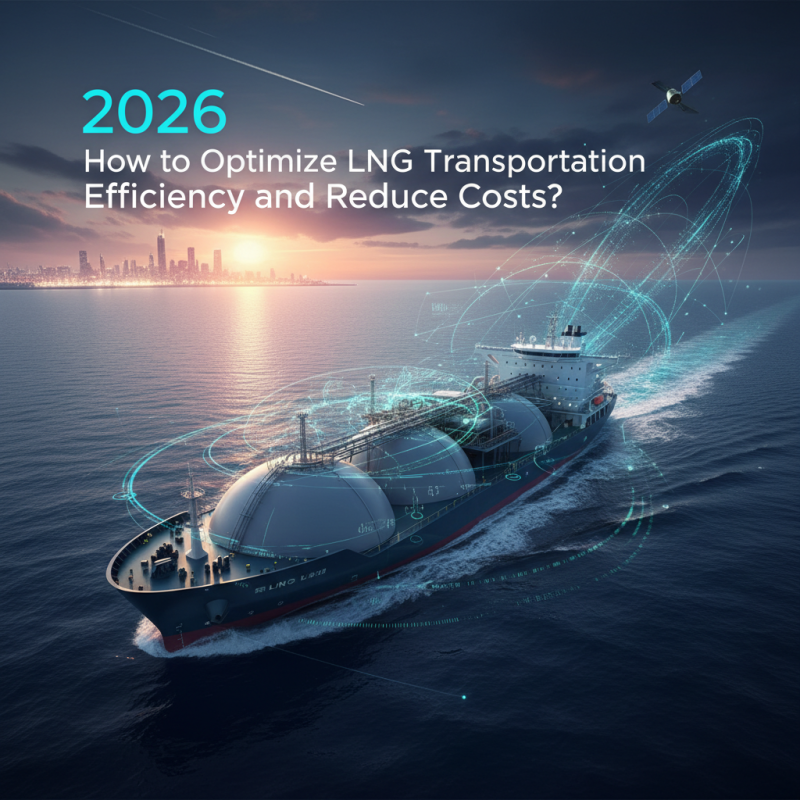
2026 How to Optimize LNG Transportation Efficiency and Reduce Costs?
In recent years, the LNG transportation sector has gained significant attention due to its potential for efficiency and cost reduction. According to the International Gas Union's latest report, global LNG trade has reached over 360 million tons annually. This growth necessitates a focus on optimizing LNG transportation methodologies. Inefficient transport not only inflates costs but also impacts the overall environmental footprint.
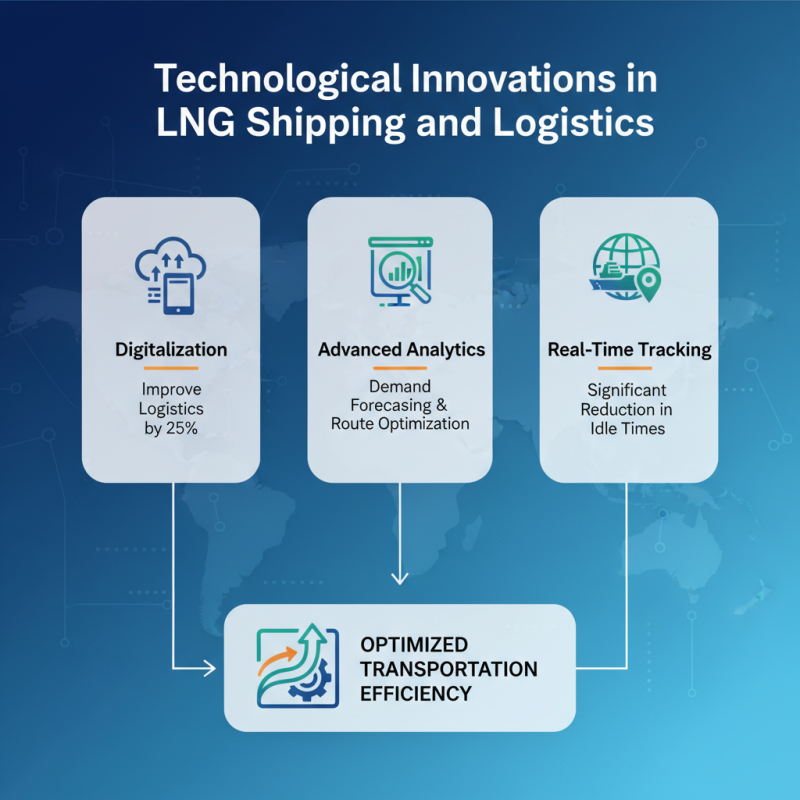
The challenges in LNG transportation are multifaceted. Aging infrastructure, fluctuating demand, and regional regulations all contribute to operational hurdles. A report by McKinsey notes that optimizing supply chains could reduce costs by up to 25%. However, many companies still rely on outdated techniques and technologies. This often leads to missed opportunities for efficiency breakthroughs.
Improving LNG transportation requires both innovation and strategic planning. Companies must consider investing in advanced technologies such as digital tracking and predictive analytics. These tools can enhance logistics, enabling better decision-making. Yet, it is crucial to recognize that many strategies will require careful evaluation and customization to fit specific operational needs. The path forward is not devoid of challenges, but the potential benefits are undeniable.
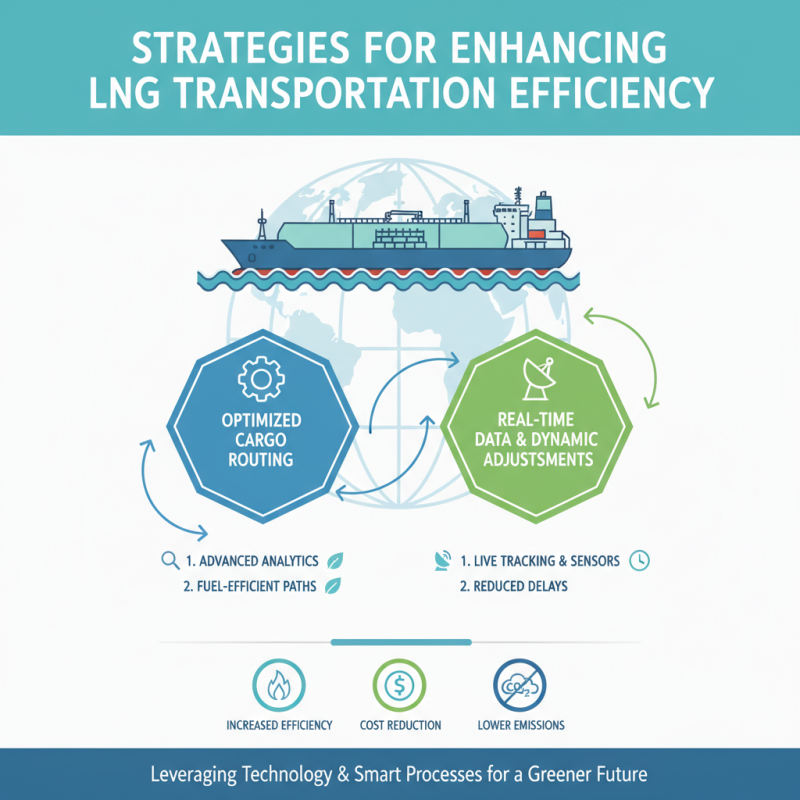
Strategies for Enhancing LNG Transportation Efficiency
Optimizing LNG transportation requires innovative strategies that leverage technology and improve processes. One effective approach is to enhance cargo routing. Advanced analytics can assess multiple shipping routes. This allows companies to choose the most fuel-efficient paths. Moreover, using real-time data can help in adjusting routes dynamically, reducing delays.
Another critical strategy is evaluating vessel design and capacity. More efficient ships can lower fuel consumption. They can also increase the volume of liquefied natural gas transported in each trip. Investing in optimization software to monitor vessel performance is a valuable step. It identifies inefficiencies that may otherwise go unnoticed.
Collaboration across the supply chain also plays a vital role. Sharing information among stakeholders can streamline operations significantly. However, this requires trust and transparency. Not all companies may be willing to share data openly, leading to potential roadblocks. Addressing these challenges is essential for achieving real efficiency in LNG transportation.
Cost-Reduction Techniques for LNG Transportation
Transportation of liquefied natural gas (LNG) is complex and costly. Reducing expenses requires innovative techniques. One approach involves optimizing routes and schedules. Accurate forecasting of demand can prevent expensive detours. Advanced data analytics tools help in planning. By leveraging real-time data, companies can react quickly to changing needs.
Another technique is investing in modern technology. Upgrading ships and terminals can vastly improve efficiency. Enhanced insulation technology minimizes boil-off gas, preserving valuable cargo. Automated loading and unloading systems also reduce turnaround times. These improvements can lead to significant expense reductions over time.
However, every method faces challenges. Implementing new technologies is not always straightforward. Training staff and integrating new systems can be time-consuming. Regulatory compliance might also pose hurdles, depending on your jurisdiction. A thorough analysis is essential both before and after changes. This reflection fosters a culture of continuous improvement while addressing inefficiencies.
Regulatory Considerations in Optimizing LNG Transport
Regulatory factors significantly influence the efficiency of LNG transportation. Various regulations affect the routes, ship designs, and operational protocols. For instance, the International Maritime Organization (IMO) has established guidelines to reduce emissions from LNG carriers. These regulations can impose substantial costs on operators, but they also push for innovation in technology and practices.
A study by the International Gas Union highlights that compliance costs can account for up to 15% of total LNG transport expenses. However, non-compliance risks are higher. Penalties and sanctions can drastically affect operational budgets. Adopting the latest technologies aligned with regulations can optimize costs and improve safety. Ship operators should invest in dual-fuel engines to comply with emissions standards, as these engines can lead to a 20% increase in fuel efficiency.
Navigating the regulatory landscape requires careful planning. The complexity of local and global regulations can lead to costly oversight. A failure to understand these laws can result in delayed shipments and financial losses. Stakeholders must prioritize regulatory education. Such investments can lead to long-term savings and operational resilience. Efforts to streamline compliance enhance performance, ultimately benefiting the entire supply chain.
2026 LNG Transportation Efficiency Optimization
This chart illustrates the transportation cost per ton for different LNG transport routes. Optimizing transportation efficiency through regulatory considerations can significantly reduce costs across various segments. Awareness of the associated costs aids in strategic decision-making for LNG logistics.
Sustainability Practices in LNG Shipping Operations
Sustainability practices are essential in LNG shipping operations today. The industry faces pressure to reduce environmental impact. Shipping contributes significantly to greenhouse gas emissions. As a result, optimizing fuel consumption is critical.
One effective approach involves using advanced technologies. Energy-efficient engines can decrease fuel usage. Additionally, regular maintenance ensures these engines perform at peak efficiency. Operators can also invest in alternative fuels, such as biofuels. While the transition may be costly, it opens doors for long-term benefits.
Collaboration among stakeholders is another vital aspect. Shipping companies, regulators, and environmental groups must work together. Sharing best practices can lead to innovative solutions. There's still much to learn, and testing new strategies is necessary. Balancing cost and sustainability is challenging but crucial for the future of LNG transportation.
2026 How to Optimize LNG Transportation Efficiency and Reduce Costs? - Sustainability Practices in LNG Shipping Operations
| Metric |
Current Value |
Target Value (2026) |
Improvement Strategy |
| Fuel Consumption (g/kWh) |
180 |
150 |
Implement Hybrid Propulsion Systems |
| Transportation Cost ($/MWh) |
75 |
60 |
Optimize Shipping Routes |
| GHG Emissions (tCO2e/MWh) |
0.25 |
0.20 |
Utilize Low Emission Fuels |
| Cargo Capacity Utilization (%) |
80 |
90 |
Improve Load Planning |
| Port Turnaround Time (hours) |
36 |
30 |
Implement Digital Port Solutions |