The global oil and gas supply chain is a complex network, not a simple path from reservoir to refinery. It connects exploration firms, drilling contractors, equipment manufacturers, shipping companies, terminals, refineries, and digital service providers. Each link matters. A delayed valve can interrupt an offshore platform. A congested port can postpone thousands of barrels.
This guide examines the top oil and gas supply chain companies worldwide through practical and measurable factors. These include operational scale, delivery reliability, technology adoption, safety performance, environmental management, and regional coverage. It also considers how companies respond to sanctions, extreme weather, labor shortages, and unstable freight costs. Energy historian Daniel Yergin has said, “Energy is the lifeblood of modern civilization.” His observation explains why supply chain resilience remains central to economic security.
Large names may appear dependable, but size alone proves little. A global contractor can still struggle with equipment shortages or weak local coordination. Smaller specialists may deliver faster in difficult environments. That contrast deserves attention. Real performance often appears in warehouse accuracy, vessel turnaround times, spare-parts availability, and transparent supplier communication.
The industry is also changing unevenly. Digital twins, predictive maintenance, lower-carbon fuels, and automated inspection are improving selected operations. Yet adoption remains inconsistent. Some companies publish impressive targets while providing limited evidence. That is a reasonable concern. Readers should compare audited disclosures, customer records, certifications, and recent project outcomes before accepting any ranking as definitive.
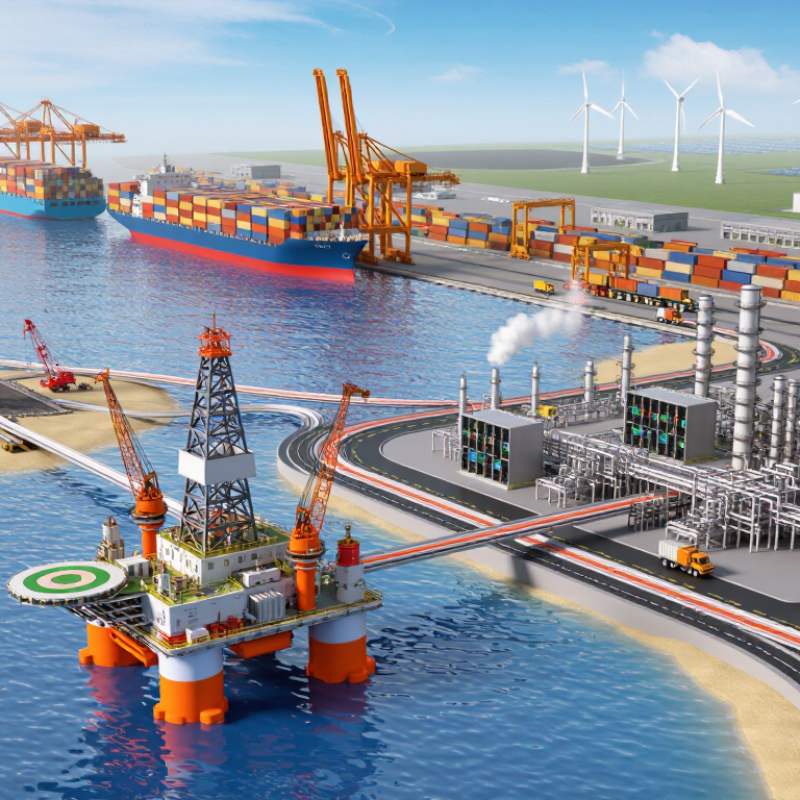
The global oil and gas supply chain covers exploration support, equipment manufacturing, transport, storage, refining, and field services. Its role is broader than moving crude oil and natural gas. It connects engineers, ports, warehouses, regulators, and energy buyers across difficult environments.
Reliable companies in this sector manage heavy equipment, certified materials, spare parts, and temperature-sensitive products. A delayed valve can stop a drilling schedule. Poor inventory data may leave a remote platform waiting for weeks. Experienced supply chain teams use demand forecasting, supplier audits, route planning, and emergency stock near major production areas. They also track emissions, worker safety, and local sourcing practices. These standards strengthen trust, although implementation is not always consistent.
Tips: Compare delivery records, safety procedures, financial stability, and regional coverage before choosing a supply chain partner. Ask how the company handles storms, port closures, equipment failure, and sudden demand changes. Request evidence, not attractive promises. Digital tracking can improve visibility, but it cannot replace skilled inspection. Some reports also overlook small suppliers and local communities. That gap deserves attention. Industry leaders should measure service quality, environmental performance, and resilience together. Perfect supply chains do not exist. Weak assumptions still create expensive problems.
Oil and gas supply chains operate as connected, time-sensitive networks across continents. Crude and gas move from fields to gathering systems, processing plants, storage terminals, and end users. Each handoff requires measured volumes, quality checks, and clear custody records. Small delays can reshape delivery schedules.
At production sites, operators separate fluids, stabilize crude, and prepare gas for transport. Pipelines handle steady flows, while vessels and rail support longer or less connected routes. Terminals blend grades, manage tanks, and schedule loading windows. Temperature, pressure, and corrosion data guide daily decisions. Weather can close a port within hours. A delayed inspection may leave costly equipment idle.
Global coordination depends on forecasting, contracts, port capacity, and emergency inventory. Planners compare demand signals with processing needs and available transport. Customs documents and safety controls must match each jurisdiction. Digital tracking improves visibility, but it is not perfect. Sensors fail, forecasts miss sudden demand, and manual records still matter. In practice, resilience comes from alternate routes, trained crews, tested procedures, and honest communication. Yet efficiency can hide fragility; a single valve, berth, or supplier may become a critical bottleneck. Supply chain reviews should question those assumptions, not merely reward lower costs.
| Supply Chain Segment | Anonymous Operator Profile | Core Assets | Typical Operating Scale | Primary Regions | Supply Chain Function |
|---|---|---|---|---|---|
| Exploration and Production | Large integrated or state-backed upstream operator | Onshore fields, offshore platforms, subsea systems and production wells | From several thousand to more than 1 million barrels of oil equivalent per day, depending on portfolio size | Middle East, North America, South America, Africa, Europe and Asia-Pacific | Converts geological reserves into crude oil, condensate and natural gas for midstream and processing markets |
| Oilfield Services | International drilling, completion and engineering contractor | Drilling rigs, well-completion equipment, seismic technology and intervention units | Project-based operations covering multiple basins and offshore environments | Major onshore and offshore producing basins worldwide | Provides specialized equipment, personnel and technical services that enable field development and production |
| Gathering and Crude Pipelines | Midstream pipeline and infrastructure operator | Gathering lines, trunk pipelines, pumping stations, metering systems and control centers | Networks ranging from local field systems to corridors extending hundreds or thousands of kilometers | North America, Russia and Central Asia, the Middle East, Africa and Latin America | Aggregates production and transports crude oil and natural gas to terminals, refineries and processing plants |
| Crude Oil Storage and Export Terminals | Port-based terminal and tank-farm operator | Large storage tanks, marine berths, loading arms, blending systems and measurement facilities | Terminal storage capacity commonly ranges from hundreds of thousands to several million barrels | Major coastal trading hubs in the Atlantic, Mediterranean, Middle East and Asia-Pacific | Buffers supply and demand, blends different crude grades and transfers cargo between pipelines and vessels |
| Crude Oil Shipping | International tanker owner or commercial vessel manager | Very large crude carriers, Suezmax tankers, Aframax tankers and fleet-management systems | A very large crude carrier typically carries about 1.8–2.2 million barrels of crude oil | Global sea routes linking producing regions with refining centers | Moves bulk crude oil internationally and connects export terminals with refineries |
| Natural Gas Processing | Gas-processing and fractionation operator | Gas separation units, dehydration systems, cryogenic plants and natural-gas-liquid fractionators | Facilities process pipeline-quality gas and separate ethane, propane, butane and natural gasoline | North America, the Middle East, Australia, Africa and Central Asia | Removes water, carbon dioxide and other impurities while producing marketable gas and liquids |
| LNG Liquefaction and Shipping | Integrated liquefied-natural-gas developer, terminal operator or carrier | Liquefaction trains, cryogenic storage tanks, LNG loading facilities and specialized carriers | Modern LNG carriers commonly hold approximately 140,000–180,000 cubic meters | Australia, North America, the Middle East, Africa and East Asia | Cools natural gas to about −162°C, reducing its volume for long-distance maritime transport |
| Refining | Large refining and fuels manufacturing operator | Distillation units, catalytic crackers, hydrocrackers, reformers, desulfurization units and storage tanks | Individual refineries range from small local plants to complexes processing several hundred thousand barrels per day | Asia-Pacific, North America, Europe, the Middle East and Latin America | Converts crude oil into gasoline, diesel, jet fuel, marine fuel, LPG, lubricants and feedstocks |
| Petrochemical Manufacturing | Integrated chemicals and hydrocarbon-feedstock producer | Steam crackers, aromatics units, polymer plants and chemical storage terminals | Produces ethylene, propylene, aromatics, polymers and other industrial chemical inputs | East Asia, the Middle East, North America and Europe | Transforms refinery and gas-processing outputs into plastics, solvents, fibers and industrial materials |
| Refined-Product Logistics | Downstream terminal, pipeline and distribution operator | Product pipelines, coastal terminals, inland depots, rail facilities and road-loading racks | Handles multiple grades of gasoline, diesel, jet fuel, LPG and other finished products | Regional fuel markets and major transportation corridors worldwide | Moves, stores and blends finished fuels before delivery to airports, industrial users and retail outlets |
| Retail and Commercial Fuel Distribution | Multi-country fuel marketing and commercial distribution operator | Retail stations, aviation-fuel facilities, marine-fuel systems and fleet-card platforms | Serves road transport, aviation, shipping, agriculture, construction and industrial customers | Urban markets, logistics corridors, ports and airports across developed and emerging economies | Performs the final-mile delivery of fuels and related energy products to end users |
Note: Operating scales are representative industry ranges rather than rankings of named companies. Actual capacity varies by asset, location, ownership structure and operating conditions.
Leading companies across exploration, production, and transportation connect complex operations with measurable discipline. In exploration, specialist firms use seismic imaging, geological models, and remote sensors to identify promising formations. Reliable teams verify data through repeated surveys rather than trusting one attractive result. Field conditions can change quickly. Small errors become expensive decisions.
Production companies depend on skilled engineers, safe maintenance, and transparent performance records. Modern facilities monitor pressure, flow rates, equipment vibration, and methane emissions throughout the day. Strong operators also manage water use, worker training, and emergency response with documented procedures. Practical experience matters here. A perfect plan rarely survives every shift.
Transportation providers move crude oil and natural gas through pipelines, storage terminals, marine routes, and inland networks. Their strongest systems combine inspection programs, corrosion control, route monitoring, and trained control-room staff. Digital tracking can show pressure changes within minutes, but technology cannot replace careful judgment. Data must travel. So must accountability.
Independent audits, local regulatory compliance, and verified environmental reporting help distinguish dependable companies from impressive-looking competitors. Yet industry assessments remain imperfect, especially when suppliers disclose limited operational data. That weakness deserves attention. Buyers and investors should compare safety records, maintenance history, emissions controls, and financial resilience before judging supply chain leadership.
Oil and Gas Supply Chain Companies Worldwide: Key Technologies and Services Supporting Energy Supply Networks
Modern energy supply networks rely on more than drilling and transport. They depend on connected sensors, fleet tracking, warehouse systems, and secure data platforms. These tools monitor pressure, temperature, inventory, and delivery times across remote facilities. A control team can detect a failing pump before it interrupts production. That small warning may prevent costly delays and unsafe field visits.
Predictive maintenance is becoming central to supply chain performance. Machine learning compares vibration patterns, equipment age, and operating conditions. Digital twins also model pipelines, storage sites, and transport routes before decisions are made. Specialized logistics services coordinate vessels, trucks, spare parts, and emergency supplies. Cybersecurity protects operational data from manipulation and unauthorized access. Yet technology is not flawless. Poor sensor calibration can produce confident but incorrect recommendations. Human review still matters, especially during storms or sudden demand changes.
Tips: Use verified data sources and test sensors regularly. Keep manual procedures available when systems fail. Train workers to question unusual alerts, not simply accept them. Measure delivery reliability, maintenance response, fuel use, and emissions together. A cheaper route may increase environmental costs. Small gaps between procurement, operations, and logistics can grow quickly, so shared dashboards and clear responsibility are essential. Companies that combine technical expertise with practical field experience can build stronger, safer, and more adaptable energy networks.
Key technologies and services supporting energy supply networks
Global oil production and consumption indicate the scale of activity supported by supply-chain service providers. Major enabling capabilities include pipeline integrity monitoring, tanker and terminal logistics, storage management, refinery process control, industrial automation, and digital asset tracking. Figures show annual averages in million barrels per day.
Source: Energy Institute, Statistical Review of World Energy 2025.
Top Oil and Gas Supply Chain Companies Worldwide
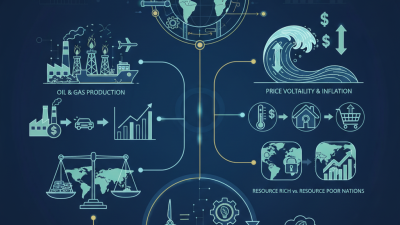
Market forces are reshaping oil and gas supply chains faster than many operators expected. Energy demand remains strong, but consumption patterns are becoming less predictable. Refiners and transport providers now monitor weather, regional inventories, and policy changes daily. A delayed shipment can quickly affect storage costs, refinery schedules, and customer deliveries.
Geopolitical tension continues to redirect trade routes and increase insurance expenses. Port congestion adds another layer of pressure. Leading supply chain companies are responding with flexible sourcing, diversified storage, and regional distribution hubs. Digital tracking improves cargo visibility, while predictive maintenance helps reduce unplanned equipment failures. However, data quality remains uneven across older facilities. That weakness deserves attention.
Environmental requirements are also changing investment decisions. Operators must measure methane leaks, fuel use, emissions, and waste more accurately. Low-carbon fuels and electrified equipment may reduce long-term exposure to regulatory costs. Yet the transition is not simple. New systems require skilled workers, reliable infrastructure, and substantial capital. Smaller suppliers may struggle to meet demanding reporting standards. Forecasts can still miss sudden storms, labor shortages, or abrupt demand shifts. Strong companies therefore combine technology with practical contingency planning, frequent supplier reviews, and clear communication between field teams, carriers, terminals, and buyers.