Why Are Nitrogen Tanks Essential for Industrial Applications?
In the industrial landscape, nitrogen tanks play a vital role. They are essential for various applications, from food preservation to chemical manufacturing. "Nitrogen tanks are the backbone of many industrial processes," says Dr. Emily Carter, an expert in industrial gases with over 15 years of experience. Her insights highlight the importance of these tanks in maintaining efficiency and safety.
Industries rely heavily on nitrogen tanks to create an inert environment. This prevents oxidation, which can compromise sensitive materials. For example, in food packaging, nitrogen helps extend shelf life significantly. The precision in these applications underscores the critical nature of nitrogen tanks. However, maintaining these systems can be challenging. Operators must ensure proper handling and storage conditions to avoid contamination.
The future of nitrogen tanks is promising yet requires reflection. As industries evolve, the demand for innovative solutions grows. Companies must adapt to changing needs while ensuring best practices. Balancing efficiency with safety will be key. The importance of nitrogen tanks is clear, yet constant vigilance is essential in their usage.
Importance of Nitrogen Tanks in Industrial Settings
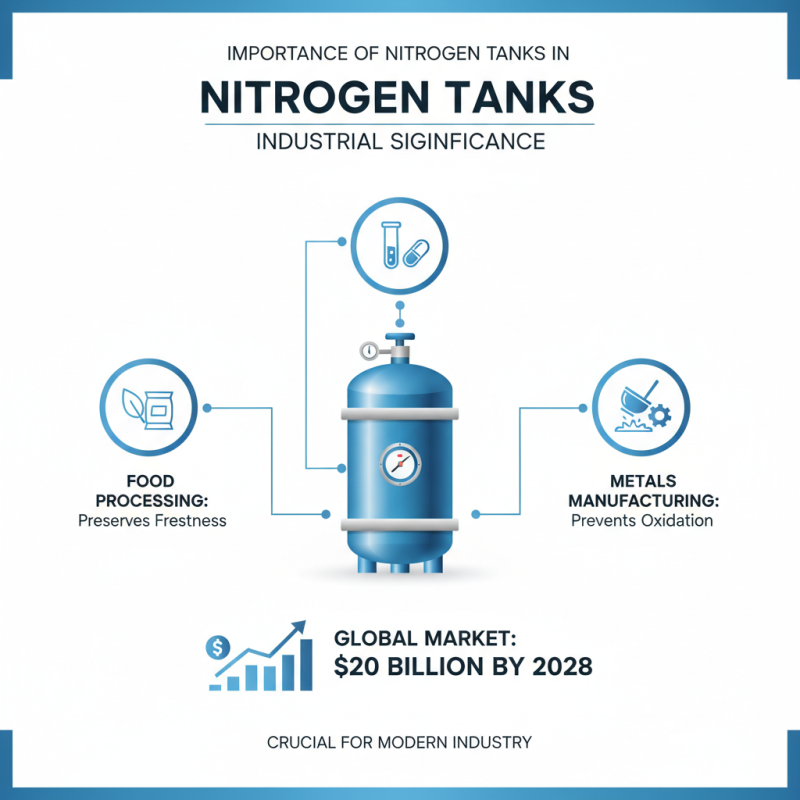
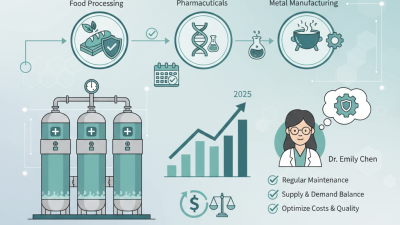
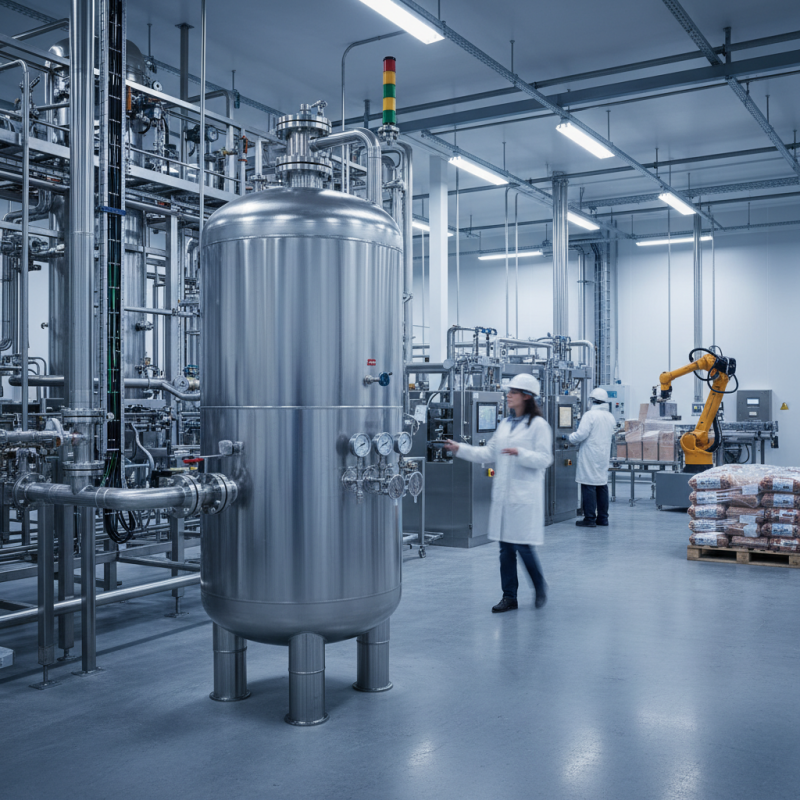
Nitrogen tanks play a crucial role in various industrial applications, particularly in the fields of food processing, pharmaceuticals, and metals manufacturing. These tanks supply nitrogen gas, which serves multiple purposes, such as preserving product freshness and enhancing safety. In fact, the global nitrogen market is forecasted to reach USD 20 billion by 2028, highlighting its industrial significance.
In food processing, nitrogen is used for modified atmosphere packaging. This method extends shelf life, reducing food waste. Studies show that nitrogen flushes out oxygen, which helps maintain quality. Similarly, in the pharmaceutical sector, nitrogen purges sensitive environments, ensuring product integrity during production. According to industry reports, organizations utilizing nitrogen report a 30% decrease in spoilage rates.
Metal fabrication also benefits from nitrogen tanks. Nitrogen shields molten metals from oxidation, improving product durability. This application can increase the lifespan of metal products, although the initial investment in nitrogen systems can be high. Companies often face challenges in optimizing their nitrogen usage, yet the benefits far outweigh the drawbacks when correctly implemented.
Key Applications of Nitrogen Tanks Across Various Industries
Nitrogen tanks play a crucial role in various industrial applications, making them indispensable in many sectors. In food processing, nitrogen is used for packaging to prolong shelf life. The Food and Agriculture Organization reported that nitrogen packaging can extend product freshness by 30%. This significantly reduces food waste and improves supply chain efficiency.
In the electronics industry, nitrogen is essential for creating an inert environment during production. The Semiconductor Industry Association notes that over 70% of semiconductor manufacturers use nitrogen tanks for manufacturing processes. Using nitrogen prevents oxidation, ensuring high-quality components.
Tip: Always ensure proper maintenance of your nitrogen tanks. Regular checks can prevent leaks and ensure optimal performance.
Another notable application is in the pharmaceuticals sector. Nitrogen is utilized for blanketing volatile chemicals, minimizing risks associated with combustion. A report from the International Society for Pharmaceutical Engineering highlights that proper nitrogen use can reduce incidents by 40%. This underscores the importance of safety and adherence to industry regulations.
Tip: Train personnel on nitrogen handling. Knowledgeable staff can significantly mitigate safety risks associated with nitrogen usage.
In welding, nitrogen purging is essential. It improves the quality of welds and minimizes defects. According to the American Welding Society, incorporating nitrogen can reduce contamination risks by 50%. However, some industries still overlook these benefits, leading to potential production issues.
Why Are Nitrogen Tanks Essential for Industrial Applications? - Key Applications of Nitrogen Tanks Across Various Industries
| Industry |
Key Application |
Role of Nitrogen Tanks |
| Food and Beverage |
Packaging and Preservation |
Inert atmosphere to prevent oxidation and spoilage |
| Pharmaceutical |
Storage of Reactive Substances |
Maintaining low oxygen levels to extend shelf life |
| Electronics |
Manufacturing and Testing |
Creating a non-reactive environment for sensitive components |
| Chemical |
Flushing and Purging |
Removing harmful substances to ensure safety |
| Metal Fabrication |
Welding and Cutting |
Preventing oxidation during processes |
| Oil and Gas |
Enhanced Oil Recovery |
Using nitrogen to increase pressure and push oil |
How Nitrogen Tanks Improve Safety and Efficiency in Operations
Nitrogen tanks play a crucial role in ensuring safety and efficiency across various industrial sectors. By providing an inert atmosphere, these tanks help prevent unwanted reactions. For example, in the oil and gas industry, more than 60% of accidents are linked to the presence of combustible gases. Using nitrogen to displace these gases can significantly reduce this risk. Moreover, nitrogen is non-toxic and safe to handle, making it ideal for operations where worker safety is paramount.
Enhancing operational efficiency is another key benefit of nitrogen tanks. In manufacturing processes, nitrogen lowers oxidation rates. This can prolong the lifespan of materials and equipment, ultimately saving costs. A report by the American Society of Mechanical Engineers indicates that effective use of nitrogen can increase production efficiency by up to 30%. However, it is essential to monitor pressure levels and tank conditions regularly. Inadequate maintenance could lead to unexpected leaks or failures, which would compromise both safety and productivity.
In industries such as food processing, nitrogen tanks help preserve product quality. By reducing oxygen levels, nitrogen extends shelf life and minimizes spoilage. Studies show that nitrogen-flushed packaging can cut food waste by 20%. Still, some businesses struggle with balancing cost and efficiency when implementing nitrogen systems, leading to varied practices in the industry.
Impact of Nitrogen Tanks on Industrial Efficiency and Safety
Understanding the Technology Behind Nitrogen Storage and Delivery
In industrial settings, nitrogen tanks play a crucial role in storing and delivering nitrogen efficiently. The technology behind these tanks is quite advanced. Nitrogen, an inert gas, is stored under high pressure in robust containers. This helps maintain its purity and stability. The design of nitrogen storage tanks ensures minimal contamination, which is vital for industries needing high-quality gas.
The delivery system for nitrogen is equally important. It often includes regulators and valves to control the flow. This ensures that nitrogen is available exactly when needed, without delays. The precision in delivery impacts processes in sectors like food packaging and pharmaceuticals. However, improper handling can lead to inefficiencies. Training personnel is essential to prevent mistakes, as even small errors can have considerable consequences.
While nitrogen tanks are dependable, challenges exist. Pressure monitoring is critical. Any fluctuation can affect operations. Regular maintenance checks help mitigate risks, but human error can never be entirely eliminated. Understanding how to manage these risks is vital for any industrial operation. This highlights the ongoing need for improvement and adaptation in nitrogen storage technology.
Environmental Considerations of Using Nitrogen Tanks in Industry
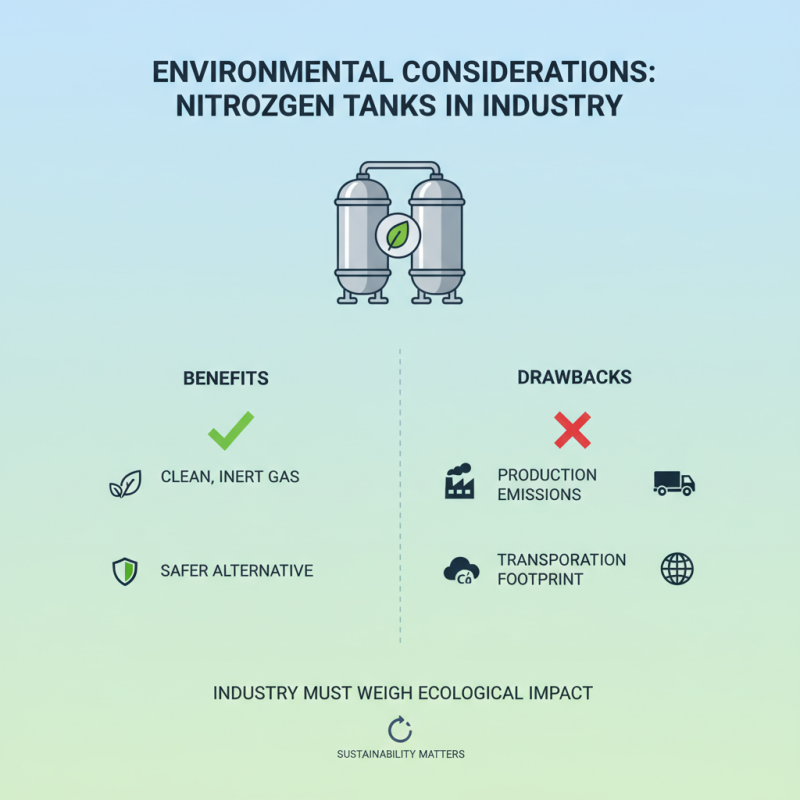
Nitrogen tanks play a significant role in many industrial processes. Their use raises important environmental considerations. Nitrogen is a clean, inert gas, which makes it safer compared to other gases. However, the production and transportation of nitrogen contribute to carbon emissions. Companies must consider this impact when integrating nitrogen solutions.
While nitrogen itself is non-toxic, the environmental footprint of nitrogen tanks is worth examining. Take the energy used in liquefaction and transportation as an example. Reducing these emissions should be a priority. Some industries might overlook alternatives and remain reliant on traditional methods. This could lead to missed opportunities for greener practices.
As industries continuously seek efficiency, a balance between operational needs and environmental responsibility is crucial. Implementing nitrogen systems can save resources but should not come at the cost of sustainability. Reflecting on these factors can help shape a more responsible approach to nitrogen use in various sectors.