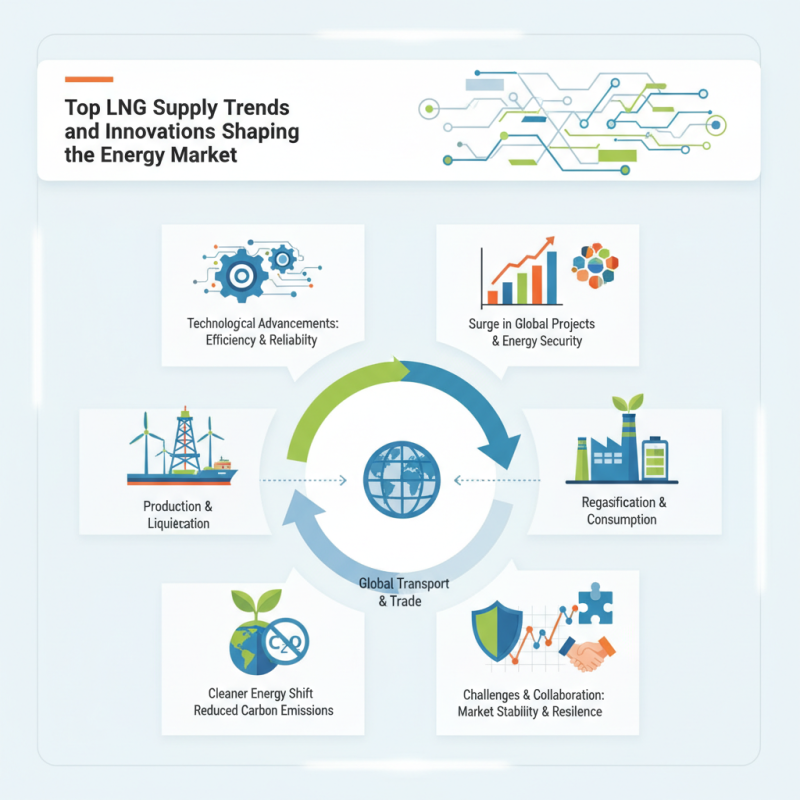
As global energy needs evolve, LNG supply plays a pivotal role in meeting demand. Innovations in this sector reflect a shift towards cleaner energy. Countries are turning to liquefied natural gas to reduce carbon emissions and enhance energy security.
Recent trends indicate a surge in LNG projects across various regions. Key players in the industry are investing in advanced technologies. These developments aim to optimize efficiency and reliability in LNG supply chains. The impact of these innovations is profound, shaping the future of energy consumption.
However, challenges persist in achieving a balanced supply. Market volatility and regional disparities can disrupt the LNG supply chain. Addressing these issues requires collaboration and strategic planning. The industry must adapt to unforeseen hurdles to ensure sustainability and resilience in LNG supply.
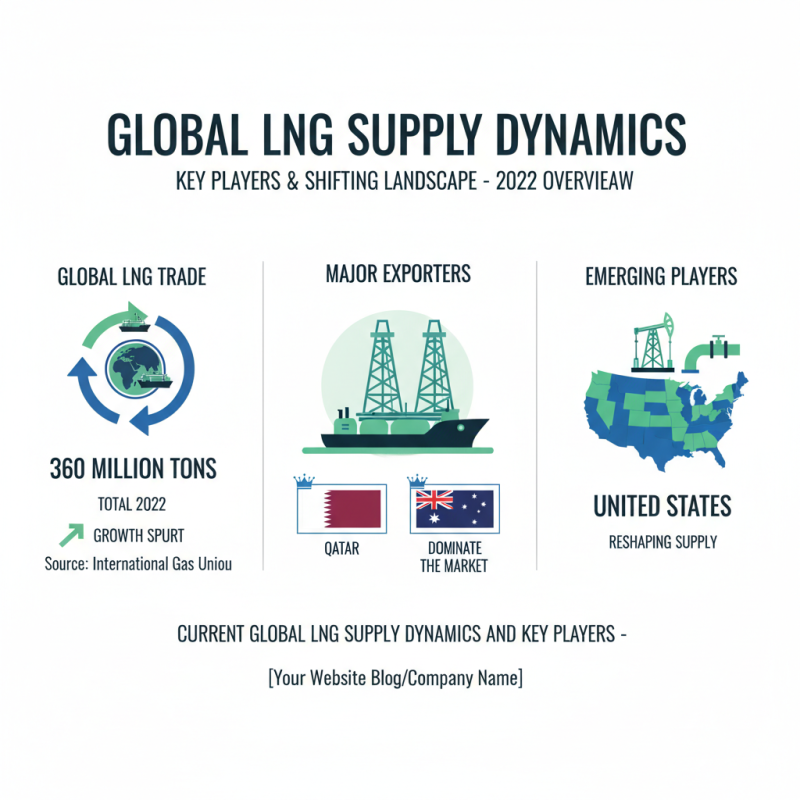
The global LNG market is currently influenced by several factors. Supply dynamics are shifting as new players emerge and existing ones adapt. According to the International Gas Union, global LNG trade reached 360 million tons in 2022, showing a growth spurt. Major exporters, including Qatar and Australia, continue to dominate, but emerging markets in the U.S. are reshaping the landscape.
Supply chain challenges have also arisen. Geopolitical tensions and environmental policies create uncertainty. For instance, Europe has diversified supply sources in response to Russian gas dependency. The EIA reported that U.S. LNG exports reached a record high of 88 million tons in 2022. This reflects a strategic pivot to enhance energy security worldwide.
Innovation plays a crucial role too. New technologies in liquefaction and transport are being developed. Floating LNG facilities are gaining traction. They offer flexibility and efficiency, allowing producers to tap into remote reserves. However, the sector faces challenges in balancing sustainability with growth. LNG’s carbon footprint still raises questions about long-term viability in a greener world.
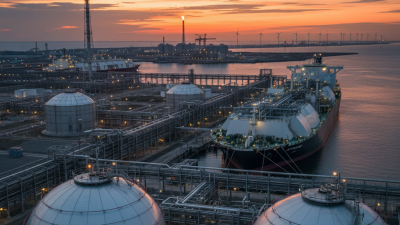
Innovative technologies are reshaping LNG production and distribution. Advanced liquefaction processes now use modular systems. These can be deployed quickly and efficiently. They also reduce the environmental footprint associated with traditional methods. This change aligns with global sustainability goals.
In the distribution sector, digital technologies play a crucial role. Real-time monitoring systems enhance safety and efficiency. Data analytics help optimize routes and reduce fuel consumption. Autonomous vessels are making their way into LNG logistics. While promising, this technology also raises questions about reliability and human oversight.
Furthermore, small-scale LNG solutions are emerging. They target remote areas and provide cleaner energy. However, these systems often face regulatory challenges. Not all regions are ready to embrace such innovations. Overall, the LNG industry is moving towards smarter, greener solutions. Yet, each innovation must also consider its broader impacts on communities and ecosystems.
| Trend/Innovation | Description | Impact on Market | Projected Growth (%) |
|---|---|---|---|
| Small-Scale LNG | Development of small-scale LNG facilities to cater to local demand. | Increases accessibility and flexibility in LNG supply. | 15% |
| Floating LNG (FLNG) | Utilizing floating platforms for LNG production and storage. | Enables production in remote locations, reducing costs. | 22% |
| Digitalization | Implementing IoT and AI for optimization in operations. | Enhances efficiency and safety in LNG operations. | 30% |
| Carbon Capture and Storage (CCS) | Technologies to capture CO2 emissions from LNG plants. | Addresses environmental concerns and regulatory pressures. | 25% |
| Hydrogen from LNG | Producing hydrogen fuel through LNG reforming. | Supports transition to cleaner energy solutions. | 18% |
The impact of liquefied natural gas (LNG) on the global energy transition is profound. As nations strive to reduce carbon emissions, LNG emerges as a crucial bridge. It provides a cleaner alternative to coal and oil, easing the shift towards renewable energy sources. The flexibility of LNG allows countries to import energy while investing in local renewables. This flexibility is a key driver in the energy market today.
However, the rise of LNG is not without concerns. The construction of LNG terminals and infrastructure can take years. Delays often lead to higher costs and uncertain supply. Additionally, the environmental impact of LNG extraction must be considered. Methane emissions during extraction and transportation pose a threat to climate goals. This irony highlights the complexity of energy transitions.
Many countries are investing in LNG. These investments reflect a growing recognition of its role in achieving energy security. LNG can stabilize energy supplies, especially during fluctuations in renewable generation. As we evaluate the path to a sustainable energy future, it’s essential to embrace the benefits and challenges of LNG. Balancing its use with long-term environmental goals remains a critical discussion point.
This chart illustrates the growth of global LNG supply from 2010 to 2023, highlighting the increasing contribution of LNG to the energy transition. The data reflects significant trends in LNG production, consumption, and the shift towards cleaner energy sources.
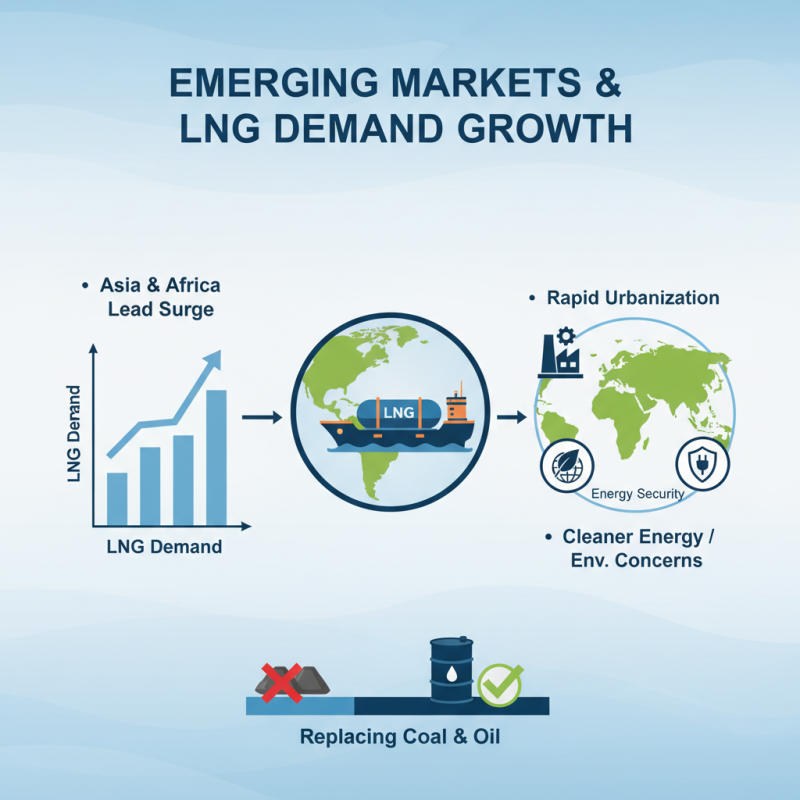
Emerging markets are driving demand growth for liquefied natural gas (LNG). Countries in Asia and Africa are leading this surge. These regions seek cleaner energy sources. LNG is becoming a preferred choice for replacing coal and oil. Rapid urbanization fuels the energy requirement. Many nations aim for energy security alongside environmental concerns.
Investment in infrastructure is vital. Ports and regasification facilities must expand. However, these projects face financing challenges. Environmental regulations and local opposition can hinder progress. Despite these obstacles, the potential benefits outweigh the risks. Many emerging markets view LNG as a bridge to renewables.
Furthermore, innovation in LNG technology is emerging. Small-scale LNG operations enable remote communities to access natural gas. This can reduce reliance on diesel and improve air quality. Still, the industry must navigate fluctuating prices and supply chain disruptions. Addressing these issues will require collaboration from governments and companies alike. The future of LNG in emerging markets holds both promise and uncertainty.
The LNG industry is currently navigating complex regulatory waters. Governments worldwide are tightening emission regulations, pushing companies to innovate while ensuring compliance. For instance, as reported by the International Energy Agency, global LNG demand is projected to reach 650 million tonnes by 2030. This heightened demand compels the industry to adopt cleaner technologies.
Environmental considerations are at the forefront of LNG operations. The rise of carbon capture and storage (CCS) technologies is crucial. According to a recent report from the Global CCS Institute, effective CCS can reduce emissions associated with LNG projects by up to 90%. However, the high costs and technical challenges of implementing these technologies are significant hurdles. Many companies face backlash for perceived inaction on emissions. This oversight could impact future investments.
Regulatory frameworks are evolving, influencing operational strategies. More countries are enforcing stricter LNG import standards. Compliance demands rigorous reporting and transparency. Yet, the rapid pace of regulatory changes can leave companies scrambling. Adapting swiftly is not just beneficial; it is necessary for survival in a competitive market. The balance between growth and sustainability remains precarious, pushing the industry toward innovative solutions and responsible practices.